Author Archives: admin

San Diego’s Life Sciences Boom: A Look Ahead to 2025

San Diego is on the brink of another life sciences and biotech boom, with new lab space developments and a surge in venture capital investment fueling the region’s industry growth. As construction cranes continue to dot the skyline along Mira Mesa Boulevard and Sorrento Valley, the city’s biotech sector is gearing up for an exciting expansion.

A Post-Pandemic Surge in Lab Space Development

Over the past few years, San Diego has experienced a post-pandemic construction frenzy in the life sciences sector. According to Daniel Maldonado, Managing Director at Unispace Life Sciences, much of the development that began in recent years is now reaching completion, bringing much-needed lab and research space to market.

By the end of 2025, more than 3.2 million square feet of new life sciences buildings and research campuses will be available across San Diego County. JLL, a commercial real estate firm specializing in biotech properties, notes that these new developments will help accommodate both established companies looking to expand and emerging startups needing cutting-edge facilities.

According to JLL’s Chad Urie, San Diego is better positioned for biotech growth than many competing cities nationwide, thanks to its strong infrastructure, talent pool, and continuous investment in life sciences.

San Diego: A Life Science Powerhouse

San Diego is already one of the top life sciences hubs in the country. Data from Biocom California highlights that the region is home to nearly 2,000 life science-related companies, employing 76,000 people and generating $56 billion in economic output.

With the addition of new lab and office space, companies will have room to scale, hire, and develop new groundbreaking research. As firms grow, they require expanded resources—such as HR departments, sales teams, and operational infrastructure—all of which San Diego is well-equipped to support.

Venture Capital Investment is Fueling Growth

Another key driver of this biotech boom is the influx of venture capital (VC) funding. In 2024 alone, over $3.6 billion has already been invested in San Diego’s life sciences sector, marking one of the highest investment levels in the past decade. The only years with higher funding were 2020 and 2021, when the pandemic spurred unprecedented interest in biotech innovation.

“The money that was on the sidelines is definitely coming back to both the biotech and real estate industries,” says Maldonado, signaling continued confidence in San Diego’s life sciences ecosystem.

A Strong Talent Pipeline to Support Expansion

San Diego’s ability to attract and retain top STEM talent is another critical factor driving industry growth. UC San Diego (UCSD) plays a significant role in this, producing more STEM graduates annually than both Stanford and UC Berkeley combined. This ensures that biotech and life sciences companies have access to a steady pipeline of highly skilled professionals.

“UCSD is an economic engine that’s hard to replace,” says Urie, adding that as we move into 2025, we’ll see even more momentum in hiring, expansion, and innovation.

Looking Ahead: What’s Next for San Diego’s Life Sciences Sector?

With a wave of new lab space, VC funding, and a robust talent pool, San Diego’s life sciences sector is set for another period of major growth in 2025. While challenges remain—such as increasing pre-leasing rates before new buildings open—trends indicate that the city is well-positioned for success.

As San Diego solidifies its reputation as a global biotech powerhouse, companies looking for high-quality lab space and business-friendly opportunities will find no better place to call home.

Stay tuned for more updates on San Diego Lab Spaces as we track the latest developments in this exciting biotech expansion!

13520 Evening Creek Dr N

Presenting 13520 Evening Creek Drive North, a premier Class A office space within the esteemed Kilroy Sabre Springs campus in San Diego’s 92128 ZIP code. Constructed in 2002, this six-story building offers a total of 146,701 square feet of premium office space, with current availabilities ranging from 2,555 to 14,744 square feet.

Location Advantages:

Strategically situated adjacent to the regional transportation hub at the intersection of Interstate 15 and Highway 56, this location ensures excellent connectivity. Proximity to the SR-56 bike path and the MTS Station enhances accessibility for commuters.

Experience the synergy of modern workspace design, comprehensive amenities, and strategic location at 13520 Evening Creek Drive North—an ideal setting for businesses aiming to thrive in San Diego’s dynamic market.

Santa Fe Summit Torrey Santa Fe Rd @ Highway 56 Rd

Introducing Santa Fe Summit Torrey Santa Fe Rd @ Highway 56 Rd, a forthcoming Class A office and life science campus strategically located near Ted Williams Parkway (Highway 56) in San Diego’s Torrey Highlands area. This state-of-the-art development encompasses over 600,000 square feet across four buildings, offering scalable solutions for businesses seeking flexibility and growth opportunities.

Key Features:

  • Total Space Available: 15,000 to 647,000 square feet
  • Building Sizes: Ranging from 132,000 to 179,000 square feet
  • Building Height: Five stories
  • Typical Floor Size: Approximately 35,800 square feet
  • Available From: July 1, 2026

Santa Fe Summit Torrey Santa Fe Rd @ Highway 56 Rd presents an exceptional opportunity for businesses in the life science and office sectors to establish a presence in one of San Diego’s most sought-after locations.

2222 Verus St

Norsouth Business Park present 2222 Verus St, a premier 11,729 SF flex/lab manufacturing available for lease at Norsouth Business Park in Chula Vista, San Diego. Situated on 0.65 acres, this property offers a prime location in one of San Diego County’s fastest-growing and most prestigious residential communities.

Key Features:

  • Premium flex/industrial space in a highly desirable location
  • Easy access to Highway 125 and major retail centers
  • Located near Norsouth Business Park
  • Close proximity to restaurants, office spaces, retail, medical, and industrial properties
  • Reinforced concrete construction with modern upgrades
  • Part of a vibrant community featuring the Chula Vista Elite Athlete Training Center and a championship golf course

Property Facts:

  • Building Size: 11,729 SF
  • Lot Size: 0.65 AC
  • Year Built: 1985
  • Zoning: BC2

This move-in-ready property offers great visibility and signage on a busy corner, making it an excellent choice for businesses looking to establish a strong presence in Chula Vista. Don’t miss this opportunity to lease a high-quality industrial space in a prime location!
2411 Fenton St

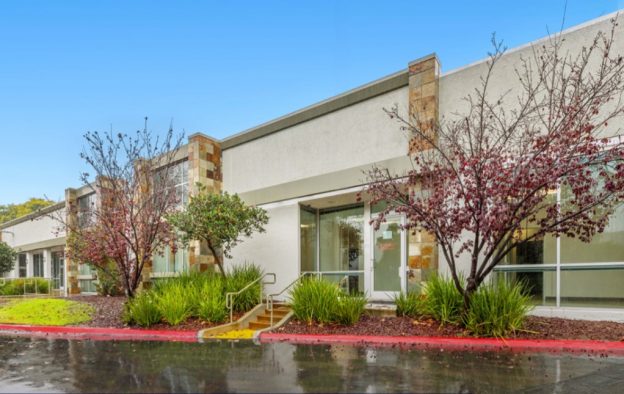
Voit Real Estate Services is pleased to present 2411 Fenton Street, a premier 7,343 SF flex/industrial condominium available for lease at The Collection at Eastlake in Chula Vista, San Diego. Situated on 0.77 acres, this property offers a prime location in one of San Diego County’s fastest-growing and most prestigious residential communities.

Key Features:

  • Premium flex/industrial space in a highly desirable location
  • Easy access to Highway 125 and major retail centers
  • Located near Eastlake Village Marketplace, anchored by Kohl’s, Target, Office Depot, and Lowe’s
  • Close proximity to restaurants, office spaces, retail, medical, and industrial properties
  • Reinforced concrete construction with modern upgrades
  • Part of a vibrant community featuring the Chula Vista Elite Athlete Training Center and a championship golf course

Property Facts:

  • Building Size: 7,343 SF
  • Lot Size: 0.77 AC
  • Year Built: 2005
  • Zoning: BC2

This move-in-ready property offers great visibility and signage on a busy corner, making it an excellent choice for businesses looking to establish a strong presence in Chula Vista. Don’t miss this opportunity to lease a high-quality industrial space in a prime location!
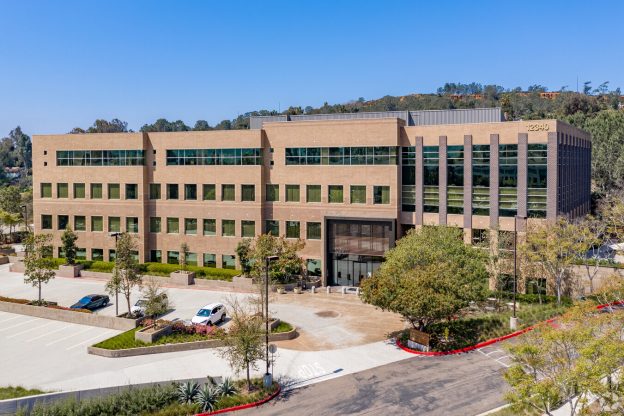
5924 Balfour Ct

A free-standing, multi-tenant Industrial/R&D building consisting of 21,481 RSF located within the coastal City of Carlsbad (San Diego). Situated on 1.55 acres, the site is centrally located within the prestigious 560-acre master planned Carlsbad Research Center.

5931 Priestly Dr

Introducing 5931 Priestly Drive, the latest addition to the thriving Carlsbad Research Center, renowned for its vibrant life science community in North San Diego. This exceptional freestanding industrial and research facility spans an impressive 52,777 square feet, strategically positioned in the epicenter of where leading life science and medical device companies thrive in North San Diego County.

With a clear mission to cater to the demands of today’s groundbreaking sciences, technology, and advanced manufacturing, the landlord has meticulously paid attention to all details required for a purpose-built R&D building. Significant capital improvements were completed in 2024, including exterior paint, enhanced with elegant metal cladding features and trellis awnings at all three main entrances, showcasing a modern and professional aesthetic.

An array of features awaits an incoming tenant, leading with prominent new building and monument signage, making a standout impression as you drive up to the building. The property also provides EV charging stations for sustainable transportation options. Two outdoor patio areas offer spaces for relaxation and networking, while the installation of new electrical service provides a remarkable 4,000 amps of heavy power, ensuring more than adequate power to support most any business need. Moreover, the property offers a designated location for a backup generator, safeguarding the continuity of business functions during a major power outage.

Numerous interior updates enhance the overall experience within the building. Notable improvements include newly renovated common area restrooms, a refreshed lobby area with a convenient refreshment center, and energy-efficient LED lighting throughout. Updated elevators ensure smooth vertical transportation for occupants, while the white box office and laboratory area present an opportunity for tenants to have a custom-designed space tailored to their specific business functions.

Adding to the versatility, the property features an existing high-bay warehouse that can be expanded to accommodate advanced manufacturing, cGMP processes, or serve as traditional high pile storage. Currently fitted with three grade level roll-up doors, the warehouse also offers the potential to add dock high loading, providing maximum flexibility and efficiency to support business operations.

To explore this remarkable property further or to arrange a tour, please contact Chris, Steven, Greg or Tim at JLL.

2271 Cosmos Ct

– 88,533 SF freestanding building ideal for MFG-R&D/Lab-Warehouse uses
– High-image industrial facility, featuring a large amenitized entrance, excellent glass line and two-story lobby
– Located amongst a strong set of corporate neighbors in the Carlsbad market
– Unsurpassed access from Palomar Airport Road via a signalized intersection onto Yarrow Road
– 4-minute drive to McClellan Palomar Airport, a 10-minute drive to Interstate 5, and an 11-minute drive to the Coast Highway and beaches
– Close proximity to retail amenities: Palomar Commons (Lowe’s, Chipotle, Five Guys, Panera, California Bank and Trust, and more), Bressi Ranch (Trader Joe’s, Verizon, Board & Brew, Rubios, Peets Coffee, BevMo, CVS, Sprouts Market, Mission Federal Credit Union, Mendocino Farms, and many others)

U.S. Life Sciences Property Report May 2024

The U.S. life sciences market continues to expand, with notable activity in Boston, the Bay Area, and San Diego. Over the past three quarters, these markets have shown an impressive 17% average growth in lab space demand, signaling a strong resurgence in the industry. For life sciences companies, developers, and investors, this upward trend presents both opportunities and challenges as they navigate a competitive landscape.

According to the U.S. Life Sciences Property Report, five major trends are shaping the lab space market, underscoring new opportunities for growth. Quality of assets and neighborhoods is a major draw for tenants, and the success of leasing efforts is increasingly tied to these factors. Additionally, while some markets are still working toward full normalization, key indicators suggest declining vacancy rates and positive macroeconomic fundamentals across the board.

One thing is clear: now is a prime time for life sciences companies to secure high-quality lab space before demand intensifies. For those navigating the San Diego market, the agents at SanDiegoLabSpaces.com offer invaluable expertise. Their team works closely with clients to assess their unique needs and connect them with the perfect lab spaces tailored to their scientific and business goals. By leveraging market insights and local property knowledge, SanDiegoLabSpaces.com helps clients find properties that offer not only the right facilities but also the ideal neighborhood environment for their practice.

With the market’s competitive trajectory, SanDiegoLabSpaces.com stands ready to support life sciences professionals in making strategic, informed decisions about their lab spaces—securing the foundations for their future success in this thriving industry.

The San Diego Life Science Market – July 2024

San Diego, one of the top three life science hubs in the U.S., recently hosted the BIO International Convention, where over 18,000 industry professionals gathered to explore the future of biotechnology. This event highlighted San Diego’s significance within the life sciences sector and drew attention to the challenges and opportunities companies face, from funding difficulties to the need for collaborative ecosystems.

At the convention, companies from all development stages — startups, R&D, preclinical, and clinical research — highlighted the growing challenges of securing investment. As Chris Durbin, a life science specialist, noted, “Venture capital and other investors are much more selective than during the frothy era of 2021–2022.” Companies now face longer and more demanding paths to secure funding, pushing them to explore more resourceful ways to achieve their goals.

One of San Diego’s unique draws for life sciences companies is its collaborative ecosystem, making it an attractive location for startups seeking synergy with other innovators. Durbin shared that San Diego’s culture of cooperation continues to attract top talent and encourage company growth. Beyond just property transactions, he stressed the importance of connecting life sciences businesses with local resources and networking opportunities.

However, San Diego’s life sciences market has faced its share of challenges. In Q1, vacancy rates for lab and office spaces reached 14.3%, an all-time high. This spike is partly a result of new developments initiated during the pandemic, with millions of square feet still in the construction pipeline. Despite these challenges, major players like Pfizer and Alexandria have made long-term commitments in the region, signing substantial leases for future R&D projects. Meanwhile, venture capital investments remain robust, with San Diego securing $1.57 billion across 55 deals in Q1 2024. NIH and NSF research funding, totaling $2.2 billion, further reinforces the market’s future.

For companies navigating this dynamic landscape, the agents at SanDiegoLabSpaces.com provide an invaluable advantage. Their team works closely with clients to assess their specific needs and find lab spaces that align with their scientific and business goals. With extensive market knowledge and a strong network, SanDiegoLabSpaces.com helps clients connect with ideal properties in San Diego’s life sciences cluster, positioning them to succeed in one of the most collaborative and innovative environments in the country.

As the demand for life sciences space rises, SanDiegoLabSpaces.com stands ready to support companies in making strategic real estate decisions that will drive growth and innovation in San Diego’s thriving life sciences market.

Q1 2024 SAN DIEGO INDUSTRIAL MARKET REPORT

San Diego’s industrial market is currently facing significant challenges, with prolonged negative absorption now reaching a fifth consecutive quarter—the longest streak since the Great Recession. High-profile vacancies, particularly from Amazon and biotech firms, have driven total vacancy rates upward, and larger spaces above 50,000 square feet are struggling to rebound to pre-pandemic leasing levels. Many landlords of these large facilities are prioritizing cost control over leasing, which has led to increased availability. In contrast, smaller multi-tenant properties, especially in North County’s incubator parks, maintain high demand and low vacancy rates, with sublet space in flex and lab buildings hitting a 20-year high.

Looking ahead, construction in 2024 will add significant new flex and industrial spaces concentrated near the Otay Mesa port of entry. While demand in Otay Mesa remains robust, broader economic uncertainties might delay a substantial market recovery until 2025. Rent growth has stabilized to long-term averages, reflecting an overall market settling into a pattern of contrasting dynamics between small-bay properties and large logistics facilities.

For companies seeking space in San Diego’s industrial market, SanDiegoLabSpaces.com offers a strategic advantage. Their team can help businesses navigate this complex landscape by providing access to available properties that meet their unique needs, especially in high-demand small-bay and multi-tenant spaces. SanDiegoLabSpaces.com’s agents bring deep local market insights, helping clients find spaces that align with current trends and emerging opportunities.

From an occupier’s perspective, tenants facing high renewal rents can benefit from strategic negotiation tactics in this shifting market. SanDiegoLabSpaces.com’s agents work with clients to secure favorable terms, helping smaller tenants in high-demand spaces and larger tenants leveraging the rising availability. Whether it’s securing short-term leases or navigating concessions, SanDiegoLabSpaces.com is committed to helping clients achieve cost-effective and strategically beneficial leases in San Diego’s evolving industrial landscape.


CBRE Report: Post-Pandemic Slowdown Now Evident in Oversupply of Biotech Labs

Lab construction has slowed over the past two years due to the end of the pandemic and economic challenges, with a CBRE report predicting a return to pre-pandemic construction levels by 2026. While lab building costs have risen by at least 20%, largely driven by inflation, material costs, and longer equipment lead times, there is currently an oversupply of lab spaces, especially in major life sciences markets like Boston-Cambridge, San Francisco, and San Diego. Building owners in these areas face record-high vacancies, sparking increased competition to attract tenants.

During the pandemic, lab construction surged to meet demand in Covid-19-related R&D, leading to nearly 40 million square feet under construction at its peak in 2023 across the top 13 U.S. life sciences markets. However, the current slowdown in life sciences funding and market shifts have led to decreased construction and more available space. In the Bay Area, for example, negative net absorption has reached nearly 2 million square feet in the past year, although opportunities exist for adapting some of this vacant lab space to industries like cleantech.

Lab conversions to other uses, such as office spaces, have also slowed, as more new, unleased lab spaces enter the market. Despite this shift, markets like San Diego and New Jersey have seen significant increases in lab construction over the past five years, but not enough to create an oversupply.

To stay competitive, lab owners are increasingly offering tenant-improvement allowances to help tenants customize their spaces. Since 2021, these allowances have grown by an average of 38% in top markets, reflecting landlords’ response to rising competition and the high costs associated with building out highly specialized spaces, like vivariums and clean rooms.

For companies navigating this evolving lab market, SanDiegoLabSpaces.com provides invaluable expertise. With a deep understanding of the San Diego market and connections across the industry, the agents at SanDiegoLabSpaces.com help clients identify and secure lab spaces that meet their specific needs, whether they’re looking for cost-effective solutions or highly specialized facilities. As landlords adapt to pre-2021 development approaches and more lab space options become available, SanDiegoLabSpaces.com can guide clients through these changes, ensuring they find optimal spaces that align with their operational goals. In this competitive market, SanDiegoLabSpaces.com empowers life sciences companies to make strategic, informed decisions about their lab spaces, helping them succeed in a rapidly shifting landscape.

San Diego Life Science – Market Report – Q3 2024

Net Absorption Negative in 2024

  • In Q3, the Central San Diego laboratory market recorded 352,928 sf of negative net absorption, primarily driven by new significant vacancies in Sorrento Mesa. This follows 3 straight quarters of positive net absorption, which followed 4 straight negative quarters. 2024 YTD figure is also now in the red, standing at negative 159,022 sf.
  • Central San Diego leasing activity had been down since late 2022, but thus far in 2024 we’ve seen over 1 million sf of leasing activity (nearly 300,000 sf in Q3), the largest over a two-quarter span since the first half of 2022. 2024 ytd has nearly doubled the overall total for 2023.

Rental Rates Feeling The Pressure

  • Asking rental rates in Central San Diego have leveled off over the last 2 years, as demand has slowed significantly from the highs during the Covid-19 years. Now $6.28 NNN.
  • Downward pressure on effective rents is accelerating, as concessions continue to increase with the rise in available inventory

Large Pharma Helps Demand Levels

  • –Tenants looking for lab space remain cautious, as they continue to extend their existing cash runway and take a more conservative approach in the short term.
  • Big pharma requirements have kept demand above historical pre-pandemic levels, as 2 requirements make up 50% of the overall tenant demand (1.88 msf at end of Q3).
  • VC funding has been very solid in 2024, despite the economic environment, as San Diego firms raised nearly $1.11b in Q3, pushing the YTD total to $3.26b…on pace to finish the year as the 2nd highest yearly figure of all time, and over 3x the annual average over the last 21 years.

IQHQ Navigates a Saturated Market with New Office and Life-Sciences Space

The Research and Development District (RaDD), one of the nation’s largest life-sciences projects, is set to debut in San Diego in the coming months. However, according to a recent report by Bisnow, it currently lacks any biotech tenants.

Why It Matters:

The $1.6 billion project, encompassing 1.7 million square feet of commercial space, is entering a market already grappling with high vacancy rates for both lab and office spaces.

Quick Recap:

San Diego-based IQHQ initiated the project in fall 2020, touting it as the largest commercial waterfront opportunity in California.

  • Former Mayor Kevin Faulconer highlighted that it would establish a downtown life-sciences hub, distinct from the industry’s established northern areas near UC San Diego.
  • In 2006, the U.S. Navy granted developer Doug Manchester a 99-year lease to develop eight downtown blocks, including a new headquarters for the military branch.
  • Manchester completed the 17-story Navy One Building in fall 2020 and subsequently sold most of the remaining project area to IQHQ for $230 million.

Current Challenges:

RaDD has yet to disclose how its 1.7 million square feet will be allocated among office, lab, and retail spaces, and it currently has no announced tenants.

  • The city’s overall office vacancy rate rose to 18.2% in March, up from 14.4% the previous year, according to Commercial Edge.
  • Life sciences vacancies in core submarkets like Torrey Pines, UTC, Sorrento Mesa, and Sorrento Valley stood at 15.3% in the first quarter, per CBRE.
  • Sorrento Mesa, the largest life-sciences submarket, had a 20% vacancy rate.
  • Downtown’s smaller life-sciences submarket experienced a vacancy rate exceeding 50% during the same period.

Key Issues:

Life-sciences projects are driving new office space nationwide, with San Diego’s 3.6 million square feet under construction representing 16% of the country’s pipeline.

  • The Horton Plaza redevelopment will add another 615,000 square feet this year.
  • Downtown’s smaller Genesis San Diego has successfully secured some leases.

The Bottom Line:

RaDD officials mentioned on the Built Podcast in early 2023 that the project aims to create a new economic engine for downtown.

  • However, Taylor DeBerry, a life-sciences analyst at Jones Lang Lasalle, told Bisnow that downtown will likely remain secondary to the industry’s core northern submarkets.
  • “And currently, RaDD doesn’t have any leasing,” he noted. “I think that speaks volumes about the leasing environment downtown.”

San Diego’s Life Science Industry Faces a New Challenge: Excess Space

San Diego’s renowned life science sector has hit a new milestone this year, but not in a positive way. The vacancy rate for lab and office spaces has soared to a record 14 percent.

Just three years ago, companies were scrambling for space in key life science hubs like Sorrento Valley, La Jolla, and Del Mar. Now, there are more buildings available than local companies are willing to lease.

Current Trends:

The overall vacancy rate for life science spaces in the area has jumped to 14.3 percent, up from 5.7 percent the previous year, according to first-quarter data from Jones Lang LaSalle (JLL).

  • Several companies have downsized or completely vacated their offices recently. For instance, gene therapy firm Locano Bio ceased operations, vacating 39,000 square feet in Torrey Pines. Similarly, gene-sequencing giant Illumina offloaded its UTC office to save millions.
  • Many local life science companies are subleasing their unused offices to cut costs or accommodate smaller staffs after layoffs. JLL reports that there are about 1.2 million square feet of available sublease space, nearly double from a year ago.

Market Dynamics:

Taylor DeBerry, senior associate of JLL’s life science group, notes that the market is seeing unprecedented levels of sublease space due to the over-exuberance during COVID-19. Companies are now pulling back as venture capital becomes harder to secure.

  • San Diego startups raised $1.57 billion in venture capital in the first quarter of 2024, a significant improvement after a slow year. However, venture capital deals have been sparse since the record-breaking year of 2021.
  • Life science investors are now more selective, writing bigger checks to fewer companies, which in turn are cautious about their real estate spending.

Tenant Market:

The balance has shifted from a landlord’s market to a tenant’s market. Tenants are now looking for better deals and have more options to choose from.

  • The JLL report indicates that life science tenants prefer newer buildings, securing premium spaces at lower rates due to the oversupply.
  • Most life science companies are concentrated along Interstate 5 and Interstate 805, near major research institutes. The core clusters include Del Mar Heights/Carmel Valley, La Jolla, Sorrento Mesa, Sorrento Valley, Torrey Pines, and UTC.

Rent Trends:

Asking rents in San Diego’s core life science cluster have decreased by 7.2 percent year over year, marking four consecutive quarters of decline after a decade of growth.

  • Del Mar Heights and Carmel Valley have the highest rents at $6.74 per square foot, followed by downtown San Diego at $6.15 and Sorrento Mesa at $6.10. Sorrento Valley has the lowest average asking rent at $5.84 per square foot.
  • The overall average asking rent in the first quarter was $6.02 per square foot, down from $6.40 a year ago.

Notable Deals:

Despite the high vacancy rates, some significant deals have boosted real estate activity. Pfizer signed a 15-year lease for 230,000 square feet at the Torrey View campus, the largest lease in two years.

Future Outlook:

The imbalance of supply and demand is unlikely to normalize soon, especially with new projects coming online.

  • The RaDD IQHQ campus on San Diego’s waterfront, encompassing 1.7 million square feet, is a highly anticipated project focused on life science labs and offices, along with retail, dining, and green spaces.
  • The Campus at Horton, a 10-acre mixed-use development, will feature two 40-story apartment towers, retail, and proposed office spaces for life science companies. Both projects are outside the traditional life science core and have yet to announce any life science leases.

Life Science Industry: Sustained Growth Potential Despite Market Slowdown

The life science industry, which experienced a surge in growth during the COVID-19 pandemic, continues to show resilience and potential for long-term expansion. The crisis catalyzed an unprecedented focus on vaccine development, testing, and broader health research, leading to a doubling of venture capital funding for startups from $6.6 billion in 2019 to a peak of $31.8 billion in 2021. This influx of capital triggered a construction boom across key life science hubs like Boston/Cambridge, San Francisco, San Diego, and Raleigh-Durham to address the near-zero vacancy rates.

By 2023, the landscape began to shift with the delivery of millions of square feet of wet lab and R&D space and a slowdown in venture capital funding, resulting in increased vacancy rates. The national lab/R&D vacancy rate rose to 13.1%, a significant jump from the 8% average between 2016 and 2020. Despite this, the life science sector’s long-term outlook remains optimistic. Biotech venture capital funding, while down from its peak, is still substantially higher than pre-pandemic levels. The National Institute of Health (NIH) funding has continued its upward trajectory, reaching $38.1 billion in 2023, a 25% increase since before the pandemic. Moreover, there is a robust 82.8 million square feet of new construction in progress, although construction starts have returned to pre-pandemic levels.

Job growth in the life sciences has been strong, with an 11% increase in employment since 2018 and a 2.0% growth in 2023. The industry’s contribution to the U.S. economy was a staggering $2.9 trillion in 2021.

In California, particularly Southern California, the life science industry has had a profound economic impact, supporting 1.19 million jobs and generating $413.7 billion in business output. The state leads the nation in life science employment, with significant NIH and National Science Foundation funding fueling innovation and growth.

San Diego stands out as one of the top life science clusters in the U.S., with over 2,100 establishments contributing to the region’s innovation economy. Despite a slight decline in occupancy rates, the demand for lab space remains high, with significant construction projects underway and strong venture capital interest.

Los Angeles County, though historically behind other life science clusters, is gaining momentum with substantial employment and venture capital investment. UCLA’s recent acquisition of the Westside Pavilion mall for transformation into a research park underscores the region’s commitment to advancing life sciences.

Overall, the life science industry’s future looks promising, with sustained funding, job growth, and technological advancements driving demand for lab space. The upcoming BIO International Convention in San Diego in 2024 further highlights the sector’s vitality and global significance.

Pfizer Signs Record-Breaking Life Sciences Deal in San Diego for 2024

Pfizer has secured the title for the most significant life sciences transaction in San Diego for the year 2024

In a landmark deal, the pharmaceutical and biotechnology titan has secured a 15-year lease for 230,000 square feet at a coastal complex nearing completion in San Diego. This transaction is the most substantial life sciences lease in San Diego for the year 2024, surpassing the largest lease from the previous year by more than double.

While the exact financial terms of the lease remain undisclosed, Bloomberg’s reports suggest an estimated value of approximately $290 million. Both the developers and Pfizer have chosen not to divulge further financial details.

The sprawling 10-acre Torrey View campus, encompassing 520,000 square feet, is nearing completion. This development is a collaborative effort by Breakthrough Properties, Mitsui Fudosan America, Investment Management Corporation of Ontario, and AP2.

Pfizer is once again enlarging its property portfolio, bolstering investor trust in lab spaces.

The pharmaceutical and biotechnology behemoth has inked a 15-year agreement for 230,000 square feet within the coastal Torrey View complex in San Diego. This deal stands as the city’s largest life sciences lease for the year and is over double the size of the previous year’s largest lease.

Bloomberg estimates the lease’s value to be approximately $290 million. However, the financial specifics of the lease have not been disclosed by either the developers or Pfizer.

The Torrey View campus, a joint venture between Tishman Speyer and Bellco Capital under the Breakthrough Properties banner, is now entirely pre-leased thanks to the Pfizer contract, which secures two R&D buildings. Becton, Dickinson and Company have claimed the majority of the remaining space. The campus also boasts a conference center capable of accommodating 400 individuals, a fitness center designed by Jay Wright, and a pickleball court.

Following a monumental $43 billion acquisition of Seagen last year, Pfizer’s oncology division has expanded, as reported by Bloomberg.

This San Diego commitment follows Pfizer’s lease signing for 151,065 square feet at the Hudson Valley iCampus in Rockland County, N.Y., valued at upwards of $16 million, which occurred roughly seven months prior.

San Diego Lab Space Market Reports Q4 2023

Market Highlights

Alexandria Real Estate and Eli Lilly join forces to bring their co-working lab, gateway labs, to San Diego with plans to launch the 62,000 SF facility in the first half of 2024.

ACON Laboratories secures 510(k) clearance for a rapid COVID-19 test that can be sold over the counter and subleases almost 100,000 SF of space from Thermo Fisher to close in 2023.

Drug discovery and biotechnology firms got almost half of the venture capital funding for San Diego life sciences in the last quarter of 2023.

Major Developments Under Construction

Pacific Center

  • SF: 528,000
  • Delivery: Q1 2024
  • Will be developed over four phases
  • Developer: Harrison Street

Aperture Delmar

  • SF: 500,000
  • Purpose-built for Neurocrine Biosciences
  • Delivery: Q4 2024
  • Developer: Breakthrough Properties

RaDD

  • SF: 405,000
  • The campus will total nearly 1.7 million square feet (msf)
  • Delivery: Spring 2024
  • Developer: IQHQ

Bioterra

  • SF: 323,403
  • One of the first ground-up lab projects in Sorrento Mesa
  • Delivery: Q1 2024
  • Developer: Longfellow Real Estate

Life Sciences Related VS Funding


CompaniesDeal SizeDeal Type
Rakuten Medical$182.1MLater Stage VC
Iambic$103.2MSeries B
Lassen Therapeutics$85.0MSeries B
MBrace Therapeutics$85.0MSeries B
Adcentrx Therapeutics$51.0MSeries A

San Diego Lab Space Market Reports Q3 2023

Lab Market Struggles to Recover

  • The Central San Diego Laboratory market continued to lose space in Q3, as it recorded 189,000 sf of negative net absorption, bringing the YTD total to over 712,000 sf. This is the first time that the market has experienced four consecutive quarters of negative net absorption.
  • Leasing activity also declined from previous levels, as only 88,000 sf were leased in Q3 (compared to 293,000 sf in YTD). This is a sharp contrast to the last three years, when the market averaged nearly 600,000 sf of leasing activity per quarter.

Rental Rates Stagnate

  • Rental rates in Central San Diego have remained stable over the last few quarters, as the demand for lab space has cooled down from the Covid-19 years. However, the effective rents have been under pressure, as landlords have been offering more concessions to attract tenants. The overall average asking rental rate is $6.59 NNN, unchanged from year-end 2022. This figure is a weighted average, and is influenced by the high rates of new construction projects.

Big Pharma Boosts Demand

  • Demand for lab space was low in 2023, after it dropped below 1M sf in late 2022. However, it has been revived by a few large big pharma requirements that have increased the demand to a healthy level (1.9M sf at the end of Q3). Nevertheless, many requirements are still on hold (due to the uncertain economic/financial environment), as companies are trying to conserve their cash and adopt a more cautious approach in the short term.

Construction Activity Reaches Record High

  • There are 4.77M SF of Laboratory products currently under construction, countywide. Most of them are located in Sorrento Mesa (1.45M sf) and Downtown (1.8M sf). Of the 3M sf under construction in Central San Diego, 39% has been pre-leased (while Downtown has not seen much demand).

VC Funding Increases, But Still Below 2022 Levels

  • Although the funding for Life Science has slowed down since the Covid-19 years, San Diego has received $1.55B from 47 deals in Q3, and is expected to exceed the $2B mark by the end of the year. This is almost 60% higher than the 20-year historical average of $1.24B annually.

Sublease Remains Elevated

  • At the end of Q3, the total sublease space on the market was still over 900,000 sf, mostly concentrated in the core markets, where it accounts for ~37% of all available space. Despite the high supply of sublease space, there have not been many significant sublease transactions, nor many new subleases added to the market.
The State of Lab Space in San Diego

Hot Topic: The State of Lab Space in San Diego

The State of Lab Space in San Diego

Many cities across the nation are facing a lack of laboratory space, the essential facilities that life science companies use for research and development. But in California, the situation is even worse. According to recent reports, lab space vacancy rates in the Bay Area and San Diego are around 3 percent, while in Los Angeles they are as low as 1.5 percent. How does this affect the life science industry when space is scarce? What do companies, especially startups, need to know? We asked our members who are experts in life science spaces and commercial real estate for some answers in this three-part Q&A series. The last part features San Diego, where we talked to Daniel J. Ryan, Co-Chief Investment Officer and Regional Market Director, San Diego, at Alexandria Real Estate Equities Inc.

A recent headline claimed that finding lab space in San Diego is ‘almost impossible’ right now. What is your opinion on that?

I think the market is in a big pause right now. The IPO markets have closed. You’ve seen the public biotech stock market index halve. Many companies can’t raise money now at this lower stock price, and they have to make do with what they have. Companies are not moving right now. They’re waiting to see if they can survive this and, if things improve in the next few years, raise money and start again.

The demand has slowed down. Companies have stopped growing. We’re still seeing some reasonable formation with high-quality companies. They’re still getting funded here and there—I just met with one yesterday, and they got funded. But mostly, we’re seeing that the formational activity of the early-stage companies has cooled. And of course, the public companies that I mentioned, they’re hunkering down. My view is that in 2022, you won’t see much happening for the rest of the year. You may see a pickup in activity, but I think everyone is going to have a bit of availability start to show up.

Should we be worried about this?

We’ve seen this before. It’s generally healthy for the market when you think about it, because when capital gets too abundant, bad ideas or bad teams get funded, and that harms people in the long run. They may raise a lot of money, but then they fail spectacularly—and it damages the reputation of biotech.

This is a healthy, though painful, periodic resetting of the markets and capital expectations. That’s simply the reality today: there is not much leasing happening right now.

The leasing that Alexandria is doing—we’re about half the market—are legacy projects we’ve been working on for nine months and are finishing now. We are now digesting a lot of the big leases that we did earlier this year, such as 427,000 square feet with Bristol Myers Squibb, and we did big leases with Singular Genomics and Boundless Bio; the list goes on. We’re still busy, but it’s just digesting a lot of stuff. And we have a lot of development projects.

Does the current lab space situation pose the risk that companies will relocate outside of San Diego, or even the state?

Alexandria suffers from the same thing—we may have lost some great tenants, but they didn’t leave town. They end up going with some secondary or tertiary landlord.

There is lab availability today; there are ways to accommodate people. There will be some deliveries in ’23 and there’s a lot slated for ’24. If the market comes back crazy in early ’23 for some reason, we will probably have tightness again, but I don’t see it happening. I think it’s a healthy stop: It’s squeezing out some of the excesses in both the capital investment side and the development side, and it gives us a chance to catch up with our entitlements and our build.

I think the bigger crisis that we have, and the bigger concern that people have these days, is housing. If we want to keep growing this industry, how do we create more housing, rational housing?

Is there a factor that makes development in San Diego uniquely challenging? Are there other parts of the county outside the biotech cluster in Torrey Pines that are perhaps underutilized and could be considered for lab space?

Torrey Pines is pretty much spoken for, but Sorrento [Valley] and UTC [University Town Center] are not maxed out at the moment.

There won’t be much more to develop up here in Torrey Pines—you hear those jets overhead [from Marine Corps Air Station Miramar]? That’s why we have our 30-foot height limit in the neighborhood, we’re in the APZ (accident potential zone), and since most of Torrey Pines is in the flight path of Miramar, that prohibits density in excess of 0.34 square feet per acre. So, while Torrey Pines doesn’t have a lot of development potential, there is good potential in UTC. Alexandria has some really good projects: We have Costa Verde, which will ultimately be somewhere around 1 million square feet; Science Village, at around 450,000 square feet; and expansion opportunities on the Illumina campus, which will be another 700,000 or 800,000 square feet. In Sorrento, there’s lots of work and lots of growth happening.

As for other parts of the county, it remains to be seen for downtown. I think it’s going to be tough. Some projects downtown might do better, and there are some very, very large developments being delivered in mid-2024. If you talk to the experts, we’re going to have a couple of years of recession, and they’re going to be delivering in the midst of that.

What advice do you have for an upcoming startup that wants to find lab space in San Diego or find their headquarters here?

We have a proprietary product, Alexandria GradLabs—and while that building is full, that’s the type of space those companies want and need: small, prebuilt, and pre-equipped.

There are plenty of resources these days for these startups, including groups such as Connect, the EDC, etc. There’s lots of mentorship, early-stage money—and traditionally that’s something that San Diego is good at. We have a great ecosystem to support startups.

6330 Nancy Ridge Dr, Ste 104

6330 Nancy Ridge Dr, Ste 104 provides businesses 5,060 square feet for lease in San Diego, This listing is perfect for biotech companies searching for high-end space.

For more information regarding 6330 Nancy Ridge Dr and other labs and offices in San Diego, request your complimentary property report today by completing our quick inquiry form. Our detailed report includes floor plans, potential concessions, and facts about the space and we can include additional properties that fit your business needs. If you would like to view additional listings visit our San Diego lab space to see the complete market inventory.

San Diego Commercial Real Estate Advisory Services

Sandiegolabspaces.com has assisted numerous companies in finding lab space for lease throughout the San Diego Area. Our tenant reps work with businesses ranging from startups to Fortune 500 companies and our extensive commercial real estate services are given at no cost to clients. We assist San Diego area businesses through every point of the commercial leasing process from initial site selection to scheduling building tours and negotiating a competitive lease with landlord concessions. In addition to those commercial services, our San Diego lab specialists offer complimentary space planning and lease analysis to ensure you utilize space effectively and aren’t losing money with unfavorable lease provisions. Throughout a lease, our free commercial real estate services can save thousands of dollars if not more by securing free rent, reduced, generous tenant improvement allowances, and other considerations. Please fill out our simple contact form and get your free property report today.

San Diego: The Rising Star as a Hub for Lab Space

San Diego, once known primarily for its beautiful beaches and perfect weather, has emerged as a prominent hub for laboratory space in recent years. This phenomenon has piqued the interest of many researchers, entrepreneurs, and investors alike. In this blog post, we will explore the factors that have contributed to San Diego’s meteoric rise as a premier destination for lab space and the resulting impact on the biotech and life sciences industries.

Thriving Biotech Ecosystem

San Diego’s robust biotech ecosystem forms the bedrock of its success as a hub for lab space. The region is home to some of the world’s leading research institutions, including the renowned University of California San Diego (UCSD) and the Scripps Research Institute. These institutions attract top-notch talent, fostering a culture of innovation and collaboration. The proximity of such prestigious research centers to the lab spaces has created a unique environment that encourages knowledge sharing and advancement.

Government and Private Investments

The city of San Diego, along with the state of California, has made significant investments in supporting research and development within the biotech sector. Generous tax incentives, grants, and funding opportunities have attracted startups, biotech companies, and multinational corporations to set up their research and development operations in the region.

Additionally, private investors have recognized the potential of San Diego’s biotech industry, pouring capital into lab space infrastructure and technology. These investments have led to state-of-the-art facilities with cutting-edge equipment, which further attracts top talent and companies seeking to conduct high-impact research.

Access to Talent

San Diego’s allure extends beyond its breathtaking scenery. The city boasts a highly educated workforce with a strong focus on STEM (science, technology, engineering, and mathematics) fields. Graduates from UCSD, San Diego State University, and other prestigious institutions are drawn to the numerous job opportunities within the thriving biotech sector.

Furthermore, San Diego’s quality of life and family-friendly environment have made it an attractive destination for professionals seeking a better work-life balance. The availability of skilled talent has played a pivotal role in attracting biotech companies to establish their lab spaces in the area.

Collaborative Culture

Unlike the cutthroat competition seen in some biotech clusters, San Diego’s biotech community fosters a collaborative culture. Companies and research institutions often form partnerships to share resources, expertise, and knowledge. This synergistic approach allows for faster breakthroughs and accelerates the development of life-changing technologies.

In addition, the presence of various networking events, conferences, and industry-specific meetups facilitates meaningful interactions between scientists, entrepreneurs, and investors. This dynamic exchange of ideas nurtures innovation and has undoubtedly contributed to the growth of lab spaces in San Diego.

Supportive Infrastructure

San Diego’s rise as a hub for lab space can also be attributed to its supportive infrastructure. The region boasts world-class research parks, incubators, and accelerators specifically tailored to the needs of biotech startups. These facilities offer not only state-of-the-art lab spaces but also business development support, mentorship, and access to potential funding sources.

San Diego’s transformation into a hub for lab space has been a culmination of several key factors. Its thriving biotech ecosystem, government and private investments, access to a talented workforce, collaborative culture, and supportive infrastructure have all played essential roles in attracting companies and researchers to the region.

As the biotech and life sciences industries continue to evolve, San Diego is poised to remain at the forefront of innovation. The city’s commitment to nurturing scientific breakthroughs and its reputation as a collaborative community bode well for its future growth as a leader in the global biotech landscape. As more discoveries are made within the walls of San Diego’s lab spaces, the world can look forward to witnessing the positive impact of this vibrant and ever-expanding biotech hub.

6324 Ferris Square

6324 Ferris Square | El Camino Business Park II

6324 Ferris Square

El Camino Business Park II
6324 Ferris Square, San Diego, CA 92121

Premises 1st floor & 2nd Floor
Size 7200 SF
Rental Rate $2.50/SF
NNN Est. $0.35/SF
Availability 30 Days
Term Negotiable
Building Type Class B
Submarket Mira Mesa/Miramar
Year Built 1987/2002
Parking 1.93/1,000 SF
up to 6 additional spots available

5 Key Factors for laboratory site selection

If you are thinking of building a new lab or expanding your existing one, you might face some challenges with finding the right site. Below are the 5 Key Factors to Think About When Choosing a Site for Your Lab Project or say 5 key factors for laboratory site selection. Different locations have different advantages and disadvantages. To help you make a smart decision, here are five things you should think about before selecting a site.

Below are the 5 key factors for laboratory site selection

Key Factor 1. Location

The first key factor for laboratory site selection is Location affects site selection in various ways. One of them is the availability of existing space. There are many pharmaceutical and biotech start-ups on the East and West coasts, but not all of them succeed. This means that there might be some lab spaces that you can reuse. However, in the Midwest, these spaces are harder to find. On the other hand, the Midwest might offer some benefits, such as lower living costs. If you cannot find an existing lab space or afford to build a new one, you might have to convert to another type of space.

Another factor is the type of science you want to do in your lab. When you compare different sites, think about how they support your scientific goals and how they affect your transportation logistics. For example, if your lab does testing, where will the samples come from? Do you need to be close to an airport or a package delivery hub? If your testing is time-sensitive, location can be crucial for site selection. Also, consider the available workforce. Do they have the skills you need or are there training centers nearby to develop those skills?

Key Factor 2. Size

The second key factor for laboratory site selection Size is another important consideration for site selection, whether you are building a new lab or renovating an existing one. When you decide how big of a space you need, try to plan ahead, not just for your current operation. Will this space still meet your needs in five years? Can you add more workstations or testing capabilities? Sometimes, multi-tenant space can be a good option for size flexibility because you might have the first chance to take over an adjacent space in the building.

Size and cost can be tricky to balance. A large open space like a warehouse might have a low cost per square foot, but it might require more upfront investment to upgrade the site utilities and structural supports. On the contrary, choosing a smaller space that might need less initial investment might not be enough for your long-term needs. Moving to another facility too soon can be more costly than choosing a site that has room for growth but needs more initial investment. It depends on when and how you want to invest in your facility.

Key Factor3. Site Utilities

The third key factor for laboratory site selection Lab functions usually needs more complex and powerful utilities than a normal building provides. For this reason, buildings that are or have been renovated for labs can help you save a lot of money. These savings can give you more flexibility for tenant improvements.

A large amount of equipment in a lab places a very high and critical demand on electrical systems. Also, clean power might be needed for highly sensitive instruments because a voltage spike can damage expensive equipment. Sample and supply inventories might also need a strong emergency power system so that the storage equipment works without interruption to prevent damage or loss caused by an outage. To bring most existing facilities in line with these demands, they will need increased electrical service and possibly a new or additional emergency generator.

Commercial plumbing systems are usually designed to accommodate an average number of restrooms and sinks in areas such as breakrooms or kitchens. Labs use many more plumbing fixtures such as lab sinks, handwash sinks, glass wash equipment, emergency eyewash/shower stations, and floor drains, all of which increase supply and drainage needs. In addition, some labs even produce waste that needs a separate drainage system. These can be either biological or chemical in nature and are not allowed in the local or city system. Changing or adding an entire plumbing system can be very disruptive. It will likely interrupt the building’s services and potentially require extensive demolition of the concrete slab.

Depending on the nature of the science and the class of the lab, the requirements of the mechanical system may be more complex. Clean rooms and isolated testing need a complicated air supply system that can affect other areas of design. For most labs, floor space is considered “prime real estate” and it might not make economic sense for it to be used for major mechanical equipment; therefore, the best option for housing mechanical equipment is usually above the ceiling or on the roof. This places extra demand on the building’s structural system.

Key Factor 4. Structural

The fourth key factor for laboratory site selection While a large open space may be ideal because of the amount of available floor space, several of those building types will need a reinforced structure to support roof-top mechanical equipment. If the space has high ceilings, installing a mezzanine level can be a cost-effective solution. Maintenance needs and ease of access to the facility’s MEP equipment will heavily influence the choice between the proposed locations.

Bringing the facility up to the current building code can create a significant cost impact. Once a small percentage of the existing structure is modified, the code requires the entire structure to be upgraded to current standards. Current code standards will always have more stringent structural requirements for earthquakes, hurricanes, and other natural disasters.

Neighboring tenants can also affect the structural environment of a potential space. Excessive noise and vibration caused by another tenant’s business operations can introduce new variables and disrupt sensitive equipment. You don’t want to build a testing lab with sensitive equipment next to an auto body shop. Measures can be taken to manage these complications, but for some operations, this is a considerable risk.

Key Factor 5: Long-term planning and projected growth

The fifth key factor for laboratory site selection, At San Diego Lab Spaces we recommend using a data-driven planning approach to site selection. Our method determines potential growth scenarios and outlines the priority of specific criteria to facilitate the site selection process. If you don’t consider how your operation will need to expand or fully understand its lifespan before selecting a facility, you could end up investing too much money in space. Think about your operational procedures: Will you need more lab or office workspace in two years; how about five years? What about storage? Will you need to grow multiple inventories at different rates? If they need to be stored within a controlled environment onsite growing these inventories will impact your utility demand and size needs.

We believe that long-term planning and projected growth are so important to the success of your facility that we have consulting team focused on it: Our Strategic Facility Planning (SFP) team helps clients analyze their current operations and then provides a roadmap for accommodating their growth: SFP works with each client understand their unique situation whether they are planning for three-years five-years or their unique growth horizon: We help our clients take proactive approach creating best space their operation by defining their needs preparing road map get there:

Ready to begin laboratory site selection?

No matter where are site selection process taking these five things into consideration will help make an informed strategic decision regarding your laboratory project: Even though there is no such thing perfect site San Diego Lab Spaces can provide design services to make what need: We here help define what looks make function your current long-term needs.

Do you know? Demand for Lab Space Increased 280% in San Diego During Pandemic

Need lab space in Boston or Cambridge? Good luck.